Reliable Sarnia Top Rated General Contractor for Quality Construction
How to Choose the Best General Contractor for Your Home Renovation Project
Selecting the best construction contractor is critical for a productive home renovation. Residents must evaluate a number of factors, including expertise, qualifications, and interpersonal skills. A carefully considered decision can eliminate costly mistakes and guarantee a more seamless process. However, working through the selection process can be challenging. What key aspects should one evaluate? What questions are necessary during early consultations? Recognizing these elements can greatly impact the renovation experience.
What Experience Do You Need to Look For in a Contractor?
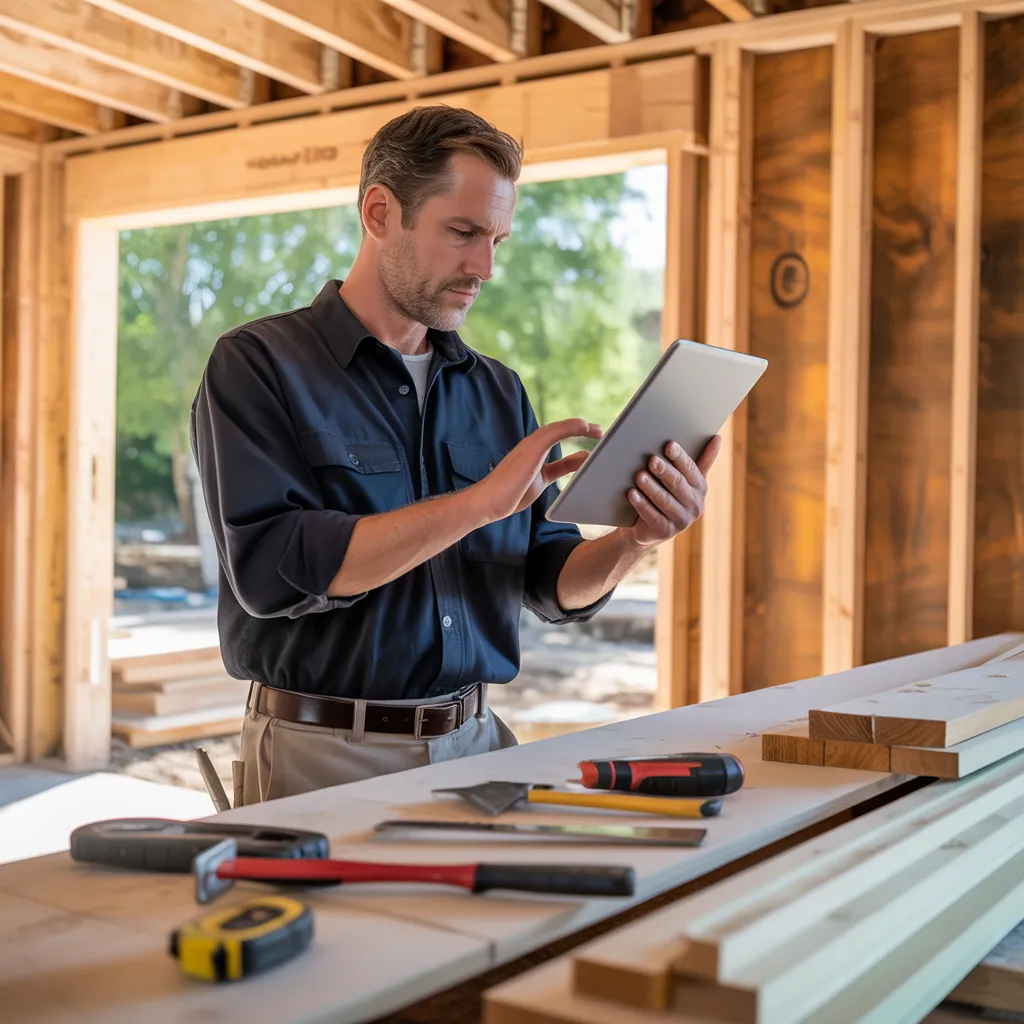
When choosing a home renovation contractor for home improvement, it is essential to take into account their experience in the field. A contractor's background can significantly impact the quality and efficiency of the renovation project. To begin, prospective clients should look for contractors with a proven track record in similar projects, ensuring familiarity with common challenges and proven solutions.
Furthermore, a contractor's years of experience can demonstrate a contractor's ability to manage budgets, timelines, and subcontractors with efficiency. It is equally important to ask about their portfolio, highlighting completed projects that match the homeowner's expectations.
Moreover, contractors knowledgeable about regional building codes and standards can help avoid potential legal complications. As a final point, a contractor's willingness to offer references from past clients can provide insight into their dependability and professionalism. By carefully evaluating these aspects, homeowners can reach a more educated decision when selecting a general contractor for their remodeling project.
How to Validate a Contractor's Credentials and Referrals
How can homeowners guarantee they are hiring a qualified contractor? Verifying a contractor's credentials and references is essential. The first step for homeowners is to check for appropriate licensing and insurance, making sure the contractor satisfies local requirements. This process can usually be completed through state or local licensing boards. Moreover, ensuring that the contractor holds liability insurance and worker's compensation coverage safeguards homeowners against potential financial liabilities.
Next, homeowners should obtain references from past clients. A dependable contractor should supply a list of completed projects, together with contact information. Contacting previous clients can provide valuable insights about the contractor's performance, interpersonal skills, and adherence to timelines.
User reviews and ratings on sites such as Angie's List and Yelp can also provide further context. By conducting comprehensive research and gathering various perspectives, homeowners can arrive at a well-informed decision, improving the chances of a successful renovation project.
Which Questions Should You Raise During the First Consultation?
Upon confirming a contractor's qualifications and references, homeowners should prepare for the first consultation by preparing targeted questions. Important queries should concentrate on the contractor's expertise with related projects, including project timelines and possible obstacles. Homeowners should additionally inquire about the contractor's approach to project management and communication, guaranteeing they will be provided with regular updates throughout the renovation.
Furthermore, reviewing the contractor's favored subcontractors can shed light on the standard of work that can be expected. Asking about required permits and the contractor's approach to inspections is crucial. Homeowners should also seek clarification on the payment schedule and any upfront costs involved. Understanding the contractor's warranty policies and how they address potential issues post-completion is vital as well. By asking these targeted questions, homeowners can gauge whether the contractor aligns with their vision and needs for the renovation project.
How to Analyze and Break Down Project Estimates and Contracts
Breaking down project estimates and contracts is vital for home renovators to comprehend the monetary components of their renovation. Critical elements such as timelines, labor, and materials play a significant role in the total expense. Furthermore, understanding contract details ensures that every party maintains a shared awareness of expectations and obligations.
Core Estimate Components
Recognizing the key components of project estimates is important for homeowners starting on renovations. A comprehensive estimate commonly encompasses labor expenses, material costs, and operational charges. Labor costs indicate the pay rates for skilled workers, which can fluctuate based on experience and project complexity. Materials pricing should outline quantities and quality, helping homeowners determine worth and reliability. Overhead charges, encompassing insurance and permits, reveal the contractor's operational costs. Additionally, contingency reserves are commonly incorporated to cover unexpected expenses, ensuring a smoother renovation process. Renovation clients should also seek out a clear timeline and payment schedule to establish expectations. Examining these factors helps homeowners make informed decisions and supports clear communication with their preferred contractor.
Understanding Contract Terms
A comprehensive grasp of contract terms is vital for homeowners handling renovation projects. Contracts typically outline the scope of work, payment schedules, and timelines, making sure all parties are on the same page. Homeowners should closely examine the itemized estimates, which outline the specific costs associated with materials, labor, and permits, ensuring full transparency. Key terms to consider include change orders, which explain how project changes will be managed and billed. Additionally, homeowners should take note of warranty terms, which protect against defects in workmanship or materials. Grasping these components allows homeowners to make well-informed choices and reduces the likelihood of disputes or confusion during the project, ultimately leading to a more efficient project outcome. A solid understanding of contract terms is essential for a successful collaboration with contractors.
Understanding the Importance of Communication Style With Your Contractor?
How effectively a homeowner communicates with their general contractor can significantly affect the outcome of a remodeling project. A well-defined communication method promotes understanding and ensures that everyone involved stays on the same page regarding timelines, budgets, and expectations. Homeowners ought to evaluate how contractors convey information, whether through emails, meetings, or project updates.
A contractor who engages attentively and communicates responsibly can work to relieve anxieties and tackle challenges without delay. Furthermore, it is essential for homeowners to feel comfortable expressing their ideas and feedback. An honest exchange of ideas encourages cooperation, which can produce more effective decisions and forward-thinking resolutions.
When evaluating potential contractors, homeowners need to assess how well they can engage in constructive conversations. This alignment in communication approaches can greatly enhance the overall renovation experience, ensuring that the project advances without complications and meets the homeowner's vision. Ultimately, effective communication lays the groundwork for a successful partnership.
What Red Flags Show a Contractor May Not Be Right for You?
Spotting potential red flags in a contractor is critical for a smooth renovation project. Vague communication methods and the absence of proper licensing can point to deeper concerns that might compromise the project. Homeowners should remain vigilant to guarantee they choose a reliable contractor for their needs.
Poor Communication Practices
Strong communication stands as the backbone of every successful home remodeling endeavor. While assessing a general contractor, vague communication patterns can suggest future complications. Red flags include inconsistent messaging, vague answers to inquiries, and difficulty in scheduling meetings. When a contractor consistently misinterprets project specifications or neglects to deliver progress reports, it calls into question their professionalism and trustworthiness. Additionally, a lack of transparency regarding timelines, costs, and processes can indicate disorganization or unprofessionalism. Contractors should be willing to clarify details and address concerns promptly. A contractor who avoids direct communication or dismisses questions may not prioritize the homeowner's interests, ultimately jeopardizing the project's success. Transparent dialogue is vital for establishing confidence and guaranteeing a seamless remodeling process.
Absence of Appropriate Licensing
Open communication is critical when building an effective partnership with a general contractor, but it is just as crucial to ensure that the contractor holds the necessary qualifications. A lack of proper licensing serves as a significant warning sign when assessing potential contractors. Certified contractors are often required to adhere to state requirements, ensuring that they possess the skills and knowledge necessary to complete renovation projects jump in safely and effectively. It is important for homeowners to verify a contractor's license via local government offices or online databases. Furthermore, any hesitation to share licensing information or insurance documentation may signal a lack of professionalism. Confirming that a contractor is fully licensed not only provides protection for the homeowner but also enhances the general success of the renovation project.
Frequently Asked Questions
How Can I Tell if a Contractor Is Insured?
To determine if a contractor is insured, you should ask for documentation of insurance coverage, including liability and workers' compensation coverage. Verifying these documents guarantees that the contractor is fiscally liable for potential damages or accidents.
What Are My Options if a Contractor Keeps Missing Deadlines?
Should a contractor fall behind on deadlines, the homeowner is advised to raise concerns promptly, review the contract for stipulations, and keep a record of delays. Looking for a resolution via discussion or professional mediation can help clarify expectations and maintain project progress.
How Do I Resolve Disputes With My Contractor?
To handle conflicts with a contractor, individuals should maintain thorough documentation of all exchanges, state concerns in a direct manner, and attempt to resolve matters through communication. When no resolution is reached, explore mediation or consult legal counsel to safeguard your rights and interests.
Are Specific Permits Required for My Renovation Project?
Specific permits for renovations depend on local regulations and project scope. Common requirements include building, electrical, plumbing, or zoning permits. Consulting with local authorities guarantees compliance and helps avoid potential legal issues during the renovation process.
What Are the Best Ways to Safeguard My Home During Renovations?
To keep a home safe during renovation work, one should protect floors with coverings, partition work areas, ensure adequate ventilation, protect valuable belongings, and maintain clear communication with contractors about safety measures and timelines to reduce interruptions.